How AI-Recommended Workouts Work and How to Get Better Suggestions
Updated July 15, 2026
By the traqqer Editorial Team
Planning a workout requires more judgment than it first appears. Today’s condition, yesterday’s fatigue, the time until the next competition, and long-term weaknesses all matter. traqqer’s AI-Recommended Workouts helps organize those inputs into a starting point for today’s decision.
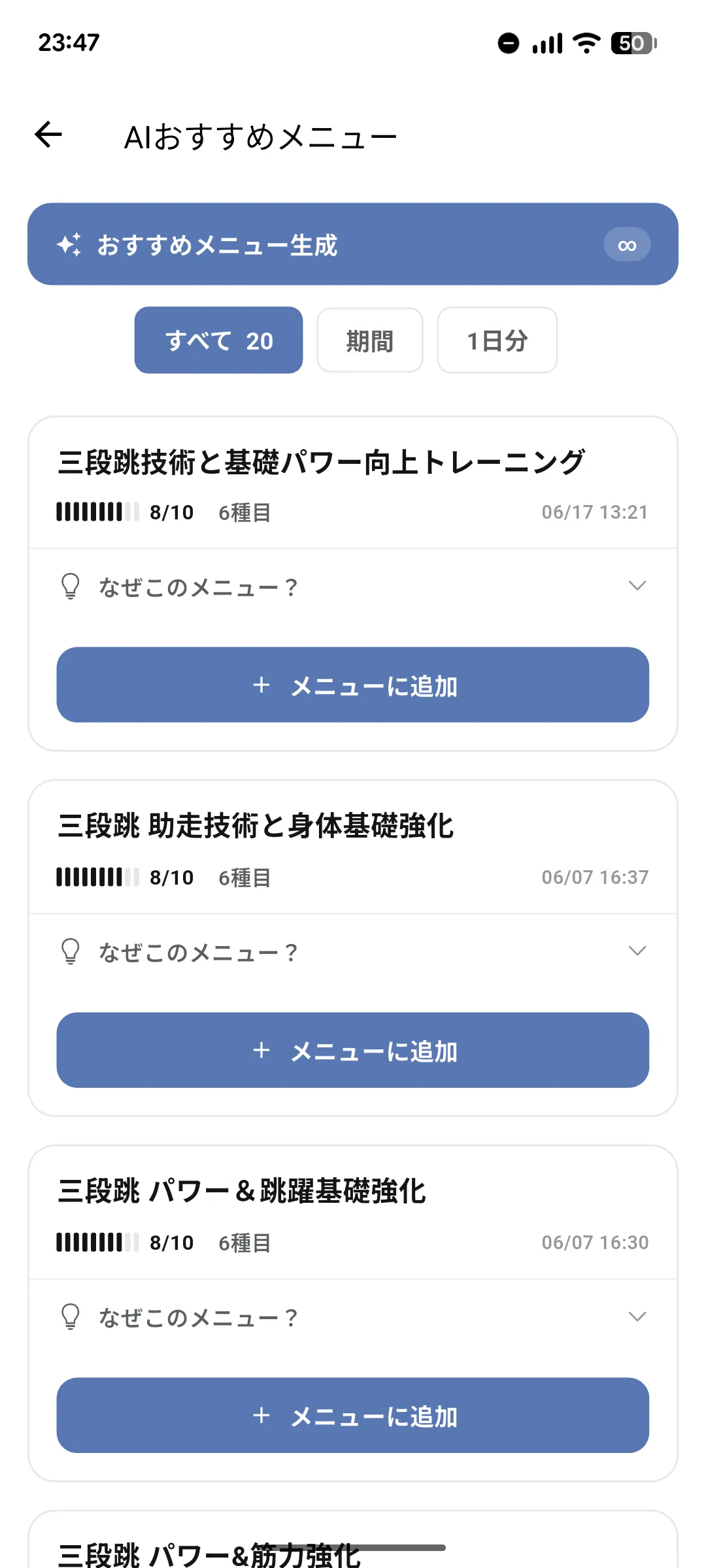
Recommendations Begin with Your Data
The feature does not simply pick a random workout from a generic library. It uses the context you have saved in traqqer, including:
- Recent workouts and imbalances in training load
- Tightness or discomfort written in notes
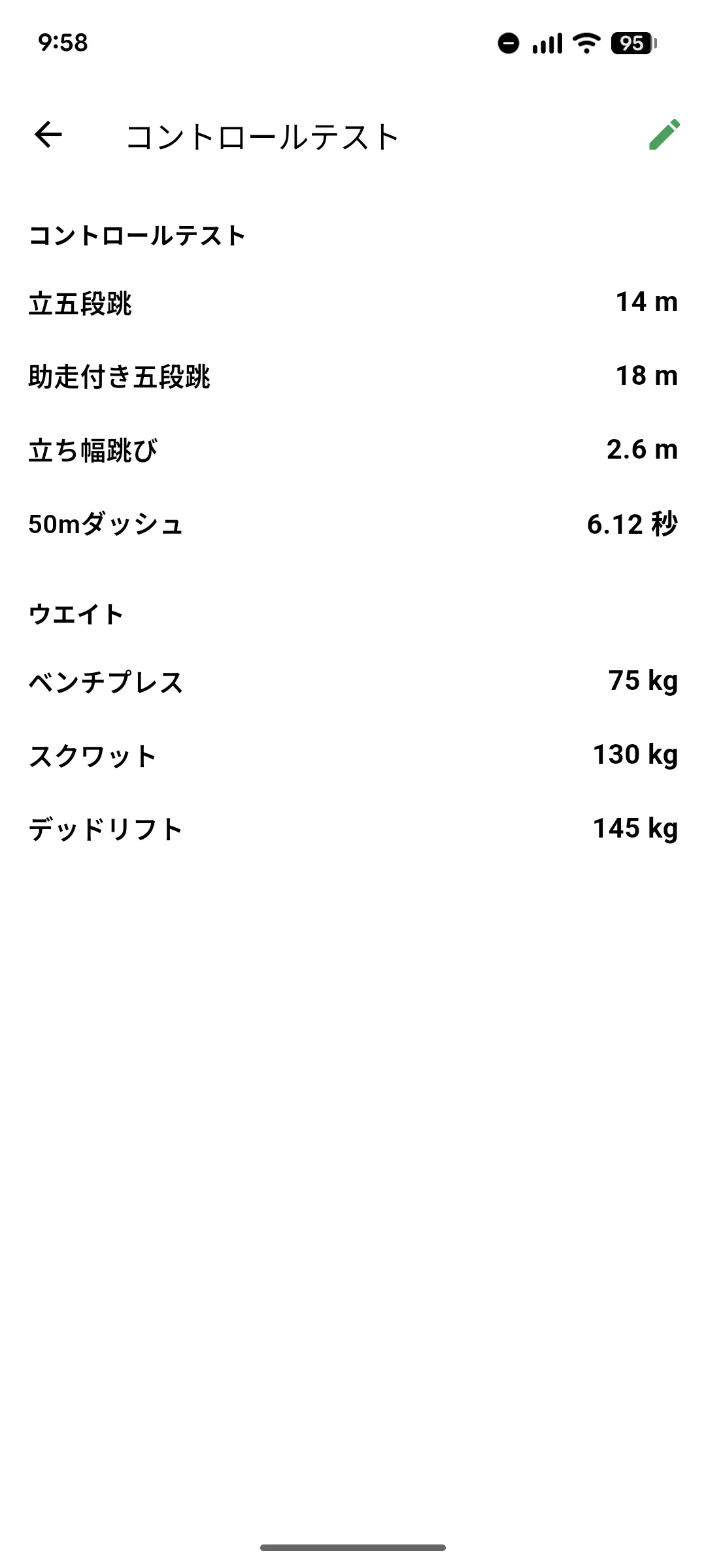
- Current performance recorded in control tests
- Competition dates, when available
The more relevant context you provide, the more specific the suggestion can become. Without records, any system is limited to general advice.
Three Inputs That Improve the Result
1. Leave a One-Line Note
“Right hamstring tight” or “movement felt heavy” can influence whether the suggestion avoids jumping or reduces volume. Subjective context remains useful even when you have no new performance test.
2. Record Control Tests
Control-test results help establish your current level and support more appropriate intensity choices.
3. Add RPE and Condition
Trends in perceived effort and condition provide context for deciding whether today should be a demanding or restorative session. See the guide to RPE and ACWR.
A recommendation is not an instruction that must be followed. Compare it with your own judgment, adopt it when it makes sense, and adjust it when it does not. That process also improves your own planning skill.
The Feedback Loop
- Open the recommendation and read the reasoning
- Compare it with how you feel today
- Use it directly or adjust it, then save the workout as an activity
- Record notes and RPE after training so the next suggestion has more context
The loop of suggest, perform, record, and suggest again makes the tool progressively more personal.
Who May Find It Useful?
- Athletes who train alone and do not have a coach available for every decision; AI Chat can help here too
- Athletes who repeatedly finish a session without a clear purpose
- Athletes who want ideas beyond their current workout repertoire
Summary
AI-recommended workouts reduce the daily work of deciding what to do, but the quality of a suggestion depends on the quality of its context. Begin with a one-line note and keep closing the loop after each session.
Related Articles
- How to use RPE and ACWR
- How to use an AI chat coach
- Three principles for in-season workouts
- How to choose a track and field app
References
Start Your Journey with traqqer
traqqer is an AI-powered app that helps you build better habits.
Download now and transform your daily routines for a better life.
